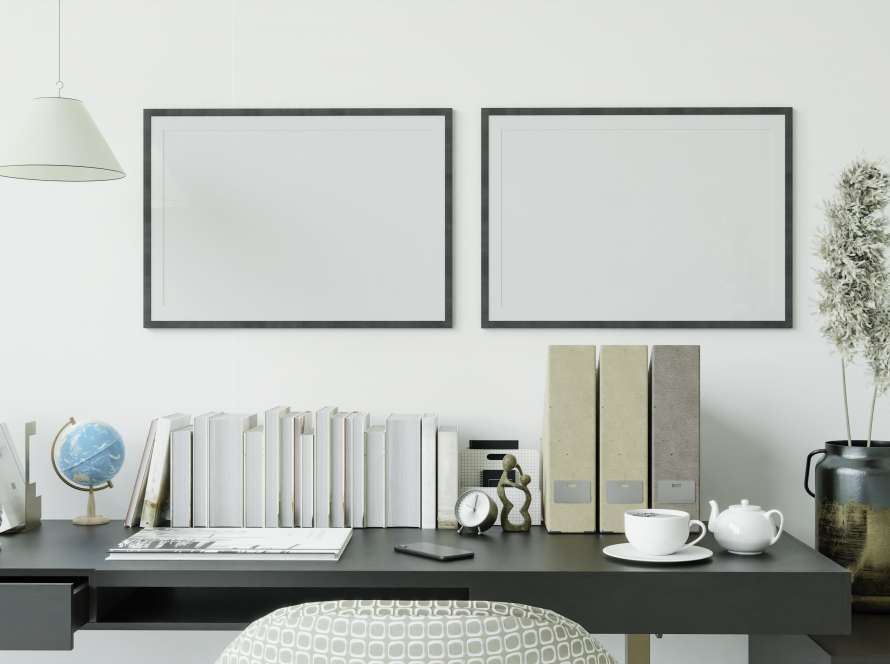

A home library is more than just a place to store books. It is a personal retreat, a quiet space for learning, and a design feature that adds warmth and character to a home. Whether someone lives in a small apartment or a large house, creating a home library is possible with the right layout, furniture choices, and lighting. The best part is that a library does not have to be expensive or overly complicated. It simply needs to feel comfortable, organized, and inspiring.
Modern home libraries come in many forms. Some are full rooms with floor-to-ceiling shelves, while others are small reading corners built into unused spaces such as hallways, lofts, or under-stair areas. The design can be classic, minimalist, rustic, or modern depending on the home’s overall style.
This article explores practical home library design ideas for different spaces and budgets. It covers shelf layout, lighting, seating, storage, décor, and how to make the library feel cozy and functional. It also includes smart tips for creating a library that supports both relaxation and everyday living.
Choosing the Right Space for a Home Library
The first step in building a home library is choosing the right location. Not everyone has an extra room, but many homes have unused spaces that can become a reading area.
A spare bedroom is the most common choice. It provides privacy, quiet, and enough wall space for bookshelves. However, a library can also be created in a living room, home office, or even a wide hallway.
Some homeowners use under-stair spaces to create built-in shelves. Others turn loft areas or corners of bedrooms into mini libraries.
The key is to choose a space with minimal noise and enough natural or artificial light. Reading becomes more enjoyable when the space feels calm.
Within the broader theme of home and garden interior design ideas for cozy living spaces, home libraries are popular because they combine function, comfort, and personality.
Built-In Shelving vs. Freestanding Bookcases
Shelving is the heart of a home library. The choice between built-in shelves and freestanding bookcases depends on budget, space, and design preference.
Built-in shelving creates a clean and high-end look. It maximizes wall space and can be customized to fit unusual corners or ceiling heights. Built-ins also make the library feel like a permanent part of the home.
Freestanding bookcases are more flexible and affordable. They can be moved, rearranged, or replaced easily. This is a good option for renters or homeowners who prefer changing layouts over time.
Some people combine both styles. For example, built-in shelves can frame a window, while freestanding shelves fill the rest of the room.
Whichever option is chosen, the shelves should be sturdy and deep enough for different book sizes. A mix of open shelves and closed storage also helps reduce clutter.
Creating a Comfortable Reading Nook
A home library should not only store books—it should invite reading. This is why seating is one of the most important design elements.
A comfortable chair or loveseat instantly transforms a library into a relaxing retreat. Some homeowners choose a classic armchair, while others prefer a modern lounge chair or even a window bench.
Adding a soft throw blanket and cushions makes the space feel cozy. A small side table is also helpful for placing coffee, tea, or a reading lamp.
If the library space is small, a compact chair and a narrow table can still create a complete reading nook.
For larger libraries, a reading nook can be placed near a window for natural light and a peaceful view.
For readers exploring practical home improvement inspiration for stylish and functional rooms, creating a reading nook is one of the easiest ways to make a library feel complete.
Lighting Ideas for a Warm and Functional Library
Lighting can make or break a home library. The space needs enough brightness for reading, but it should also feel warm and relaxing.
Natural light is ideal during the day. A library near a window feels open and calming. However, direct sunlight can fade book covers over time, so curtains or blinds are helpful.
For evening use, layered lighting works best. This includes overhead lighting, floor lamps, and reading lamps.
Wall sconces are popular in home libraries because they save space and create a classic aesthetic. LED strip lights can also be added under shelves for a modern glow.
Warm-toned bulbs are usually preferred because they feel softer and more inviting. Bright white light may feel too harsh for a cozy library atmosphere.
A well-lit library supports both comfort and eye health.
Organizing Books in a Stylish and Practical Way
Book organization affects both function and appearance. Some people prefer arranging books by genre, author, or size. Others organize by color for a more decorative look.
A balanced approach is often best. Keeping frequently used books easy to reach makes the library practical, while decorative organization can make shelves visually appealing.
Leaving small empty spaces on shelves helps avoid overcrowding. Books can also be mixed with décor items such as framed photos, plants, or sculptures to create a curated look.
Storage baskets can be used for magazines, notebooks, or reading accessories. Closed cabinets are helpful for hiding clutter.
The goal is to create a library that feels both organized and lived-in. A library should feel welcoming, not like a museum.
Decorating a Home Library for Personality and Comfort
Decor is what makes a home library feel personal. Books already add character, but additional design touches can make the space feel truly special.
Wall art, framed quotes, or vintage posters can enhance the theme of the library. Indoor plants bring life and freshness into the space.
Rugs add warmth, especially in rooms with wooden or tiled floors. Curtains, soft fabrics, and warm colors create a cozy atmosphere.
Some people decorate their library with antiques, globes, or travel items to reflect their interests. Others keep it minimalist with neutral tones and clean lines.
For those seeking modern home décor and lifestyle inspiration for everyday comfort, a home library is a perfect space to show personality while building a calming environment.
Conclusion
A home library is one of the most rewarding spaces to create because it combines comfort, style, and personal meaning. Whether it is a full room or a small corner, the right design choices can transform books into a cozy retreat for reading and relaxation. Choosing the right space, installing practical shelving, and adding comfortable seating helps build the foundation of a functional library. Lighting plays a major role in both mood and usability, while thoughtful organization keeps shelves clean and visually appealing. Decorating with rugs, plants, art, and personal items adds warmth and personality, making the library feel inviting rather than purely decorative. A well-designed home library also increases the home’s overall charm and can become a favorite place for quiet time, learning, and creativity. The best libraries are not defined by size or budget—they are defined by how they feel. When designed with comfort and intention, a home library becomes more than storage for books. It becomes a peaceful space that supports daily life, reduces stress, and encourages lifelong learning at home.